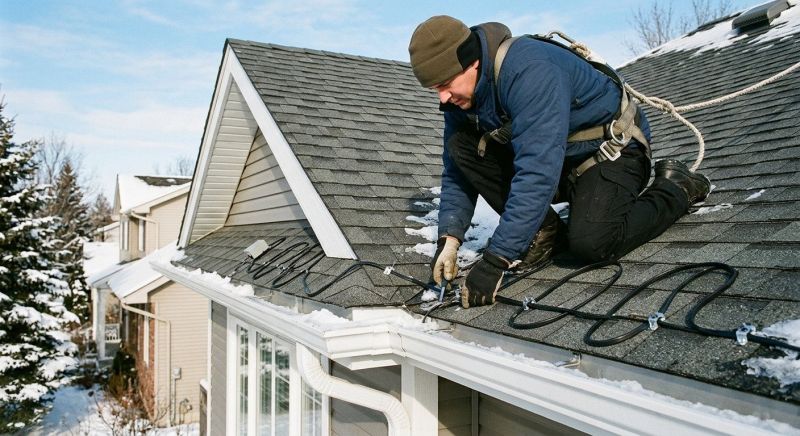
Heat Tape Installation in Tulsa, OK
Heat tape installation services provide a practical solution for preventing ice buildup and protecting vulnerable areas during cold weather. This service typically covers projects such as heating pipes in basements, attics, or outdoor plumbing, as well as walkways, driveways, and roof edges prone to ice accumulation. Property owners often seek heat tape installation to ensure safe access during winter, reduce the risk of pipe freezing, and minimize ice-related hazards around their property.
Before requesting heat tape installation, property owners usually want to understand the specific areas that need heating, the types of heat tape available, and how the installation process works. It’s important to consider the length and configuration of the areas to be heated, as well as any existing electrical systems that may need adjustments. Clarifying these details helps ensure the chosen solution effectively addresses winter challenges and provides reliable protection throughout the colder months.
Many property owners in Tulsa, OK look into Heat Tape Installation for repairs, replacements, upgrades, and appearance-related improvements.
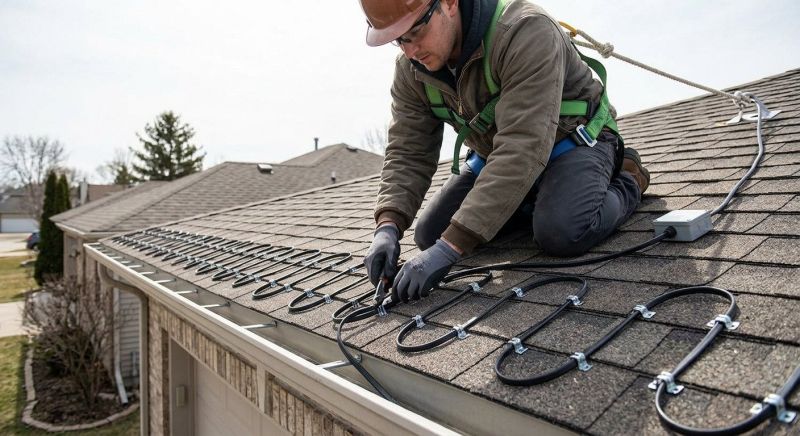
Protecting Pipes In Cold Weather
Heat tape helps prevent pipes from freezing and bursting during tulsa winters.
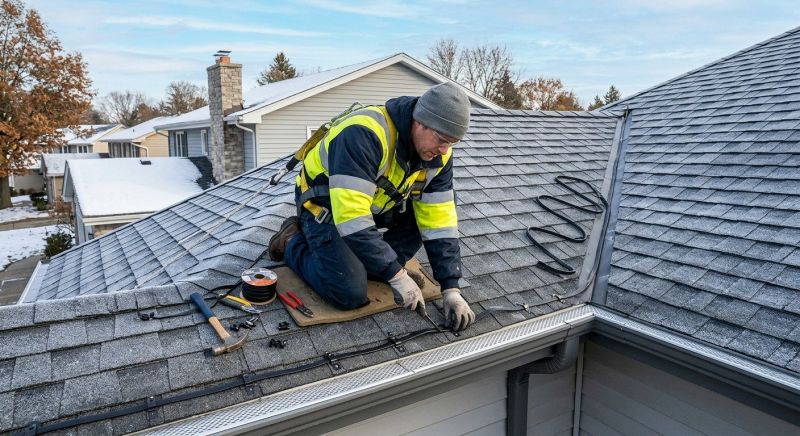
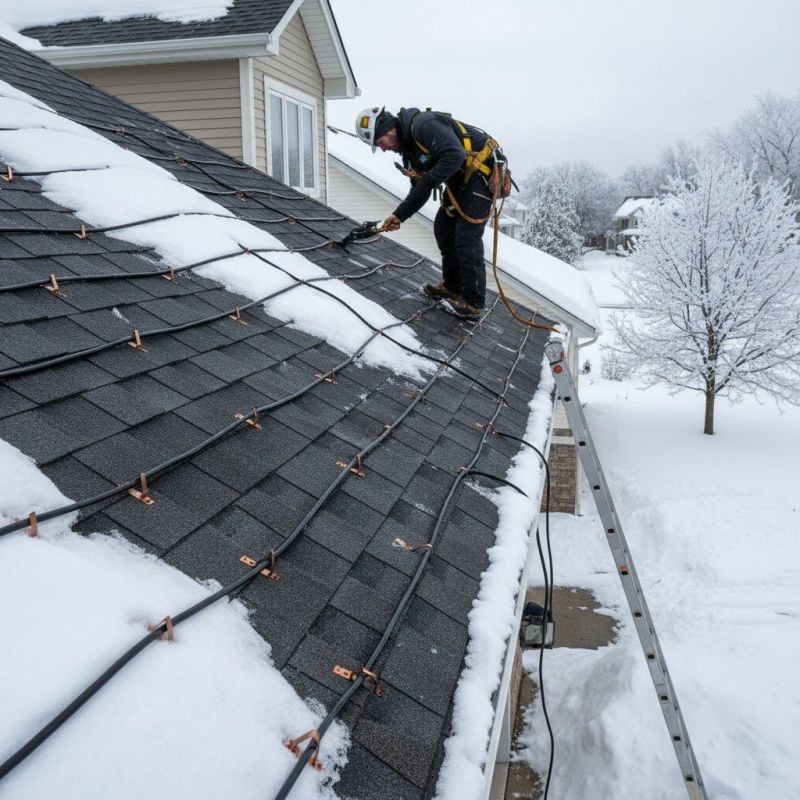
Preventing Ice Dams On Roofs
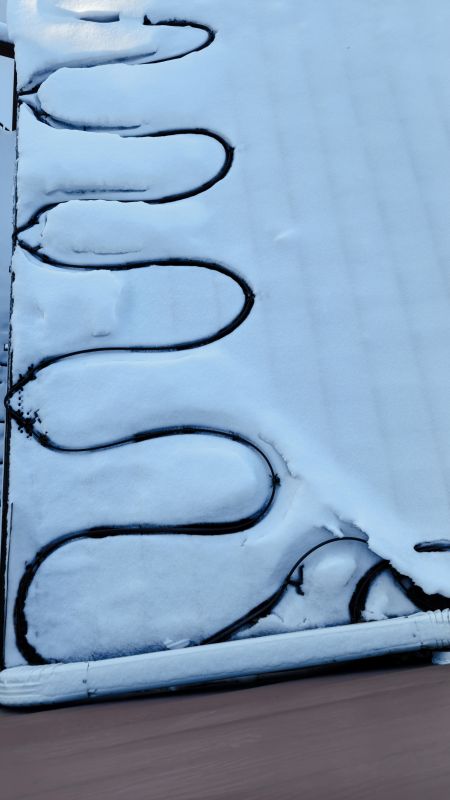
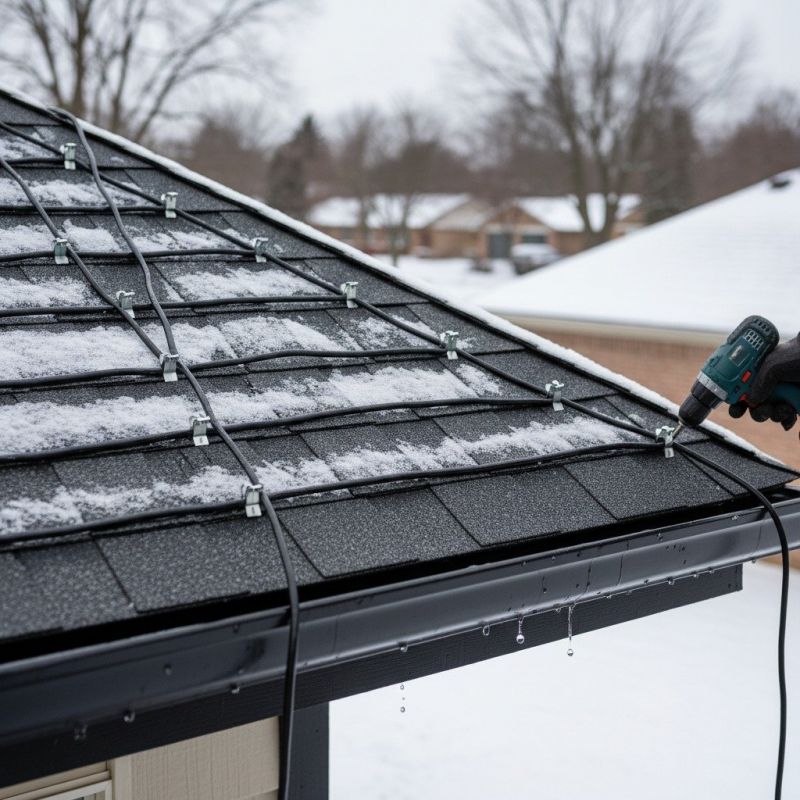
Installing heat tape along roof edges can reduce ice buildup and water damage.
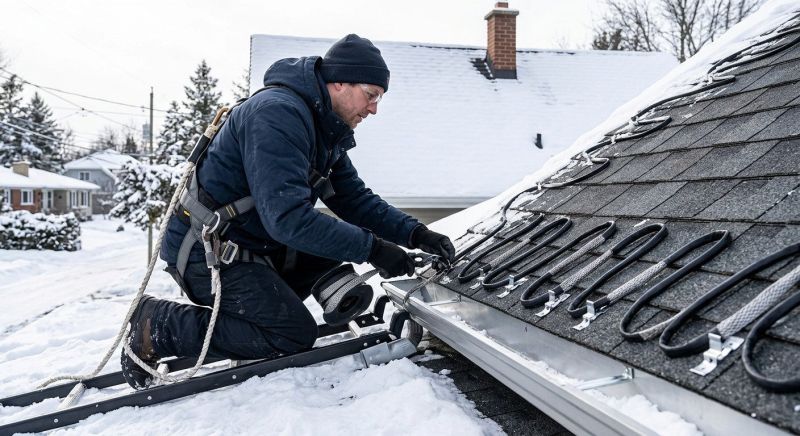
Maintaining Safe Driveways And Walkways
Heat tape can be used to keep walkways clear of ice and snow for safety.
Heat Tape Installation in Tulsa, OK

Heat tape installation services provide a practical solution for preventing ice buildup and protecting vulnerable areas during cold weather. This service typically covers projects such as heating pipes in basements, attics, or outdoor plumbing, as well as walkways, driveways, and roof edges prone to ice accumulation. Property owners often seek heat tape installation to ensure safe access during winter, reduce the risk of pipe freezing, and minimize ice-related hazards around their property.
Before requesting heat tape installation, property owners usually want to understand the specific areas that need heating, the types of heat tape available, and how the installation process works. It’s important to consider the length and configuration of the areas to be heated, as well as any existing electrical systems that may need adjustments. Clarifying these details helps ensure the chosen solution effectively addresses winter challenges and provides reliable protection throughout the colder months.
Many property owners in Tulsa, OK look into Heat Tape Installation for repairs, replacements, upgrades, and appearance-related improvements.
Common Heat Tape Installation Jobs
Heat Tape Installation - helps prevent ice buildup on roofs, gutters, and walkways.
Roof and Gutter Heating - reduces ice dams and water backup during winter storms.
Pipe Freeze Prevention - keeps vulnerable pipes from freezing and bursting in cold weather.
Walkway and Driveway Heating - provides safe, ice-free paths around the property.
Ice Dam Prevention - minimizes damage caused by ice accumulation on roof edges.
Seasonal Heating Solutions - ensures continuous protection against winter-related hazards.
Heat Tape Installation Questions
What is heat tape installation? Heat tape installation involves placing electrical heating cables along pipes or areas prone to freezing to prevent ice buildup and damage.
Which property features benefit from heat tape? Homes with outdoor water lines, unheated garages, or crawl spaces often require heat tape to maintain proper pipe function during cold weather.
How does heat tape help prevent pipe freezing? Heat tape provides targeted warmth directly on pipes, reducing the risk of freezing and potential bursting in cold conditions.
What should property owners consider before installing heat tape? Proper placement, type of heat tape, and insulation are key factors to ensure effective and safe operation of the heating system.
Request Heat Tape Installation in Tulsa, OK
Use the quote form on this page to share the basics of your project and request more information for the type of work you need.